
The intervention was spotted when the rupee hit 59.90 to the dollar or below

Overall Indian companies issued guarantees worth $1.21 billion, extended loans worth $291 million and pumped in equities worth $319 million.

Heightened volatility makes the debt rollovers difficult.

Traders said the rupee was also supported by speculation that May wholesale inflation due this week may show continued easing.

Import duty on gold is already hiked by a third to 8 per cent.
High current account deficit is leading to the rupee weakening.

Monetary policy committee had recommended no change in the key rate.

The central bank, however, would prefer money supply in deficit mode.
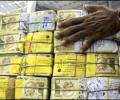
Keeping that much money out of the banking system has created a liquidity deficit that has forced banks to borrow as much as RS 1.6 trillion from the central bank to meet daily funding needs.

Shares were also buoyed by positive global sentiment on hopes major central banks will ease monetary policy further or continue to keep it loose for long.

Current account deficit could ease to around 3 per cent in the current fiscal year from prior estimates of about 4 per cent due to sharp drop in global commodity prices.

It feels govt may find it challenging to meet the revenue projections.
Majority of the experts expect a 25 basis point reduction.

They shied away due to concerns over asset quality and a rise in NPAs.
It doesn't point out weakness that is being reported.

Rates India 'BBB-' with a negative outlook.

India taxes these investors higher and is excessively cautious towards derivatives.

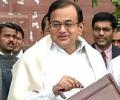
New Delhi plans to cut public spending by up to 10 percent in the fiscal year starting in April, officials involved in the budget preparations told Reuters last week, as Finance Minister P Chidambaram struggles to bring down the fiscal deficit to 4.8 percent of gross domestic product and stave off a credit rating downgrade.

Exports were up 0.8 per cent in Jan while imports rose 6 per cent.

Remarks come at a time when he is under pressure from the govt to cut interest rates.
 © 2026 Rediff.com - Investor Information - Advertise with us - Disclaimer - Privacy Policy - Sitemap - Feedback - About us - Terms of use - Grievances